
What Should You Do During Your Puppy's First Week at Home?
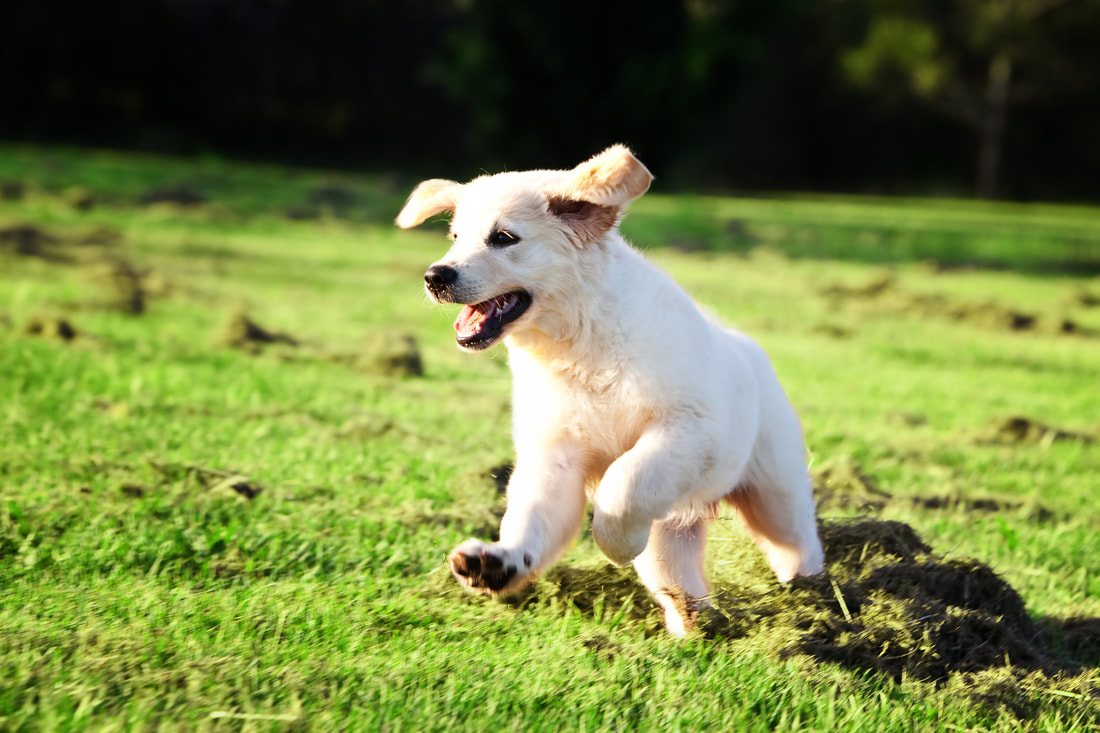
The first week with a new puppy is exciting, tiring and full of firsts. Your puppy has just left the only home they have known, and everything is new: the smells, the sounds, the floors, the people. A calm, consistent first week sets the tone for years of friendship. Here is a practical checklist we share with families at Sunshine Puppies. It is general guidance, and your veterinarian can tailor it to your puppy.
Before you pick up your puppy
Get your home ready ahead of time. Our guide on preparing your home for a new puppy has a full list. At minimum, have these ready:
- A crate or playpen, with a soft bed
- Food and water bowls
- The same food your puppy has been eating
- A collar, ID tag and leash
- Chew toys and treats
- Cleaning supplies for accidents
- Your vet appointment booked
The ride home
Bring a carrier or a secure crate, or have a family member hold the puppy in a towel on their lap. Many puppies feel carsick on their first trip, so keep the ride short and calm, and bring paper towels. Do not let a puppy roam loose in the car.
Day one: keep it calm
It is tempting to invite everyone over, but a quiet first day is better. Let your puppy explore one or two rooms on a leash or inside a gated area. Offer water and a small meal on the same schedule they had before. Take your puppy to the potty spot right away and often, and reward success.
Expect your puppy to be a bit quiet, a bit clingy or both. Some puppies are shy at first, and some are full of energy. Both are normal.
Day two and three: build the routine
Puppies thrive on predictability. Set up a daily rhythm:
- Wake up and go outside to potty
- Breakfast, then another potty trip
- Short play and gentle training
- Nap in the crate or pen
- Repeat through the day, with meals at set times
- A last potty trip before bed
Keep the food the same at first. Changing it suddenly can upset a puppy's stomach, and if you want to switch, do it gradually over a week or so with your vet's advice. Our puppy feeding guide explains more.
The first vet visit
Book a visit within the first few days. Bring all the paperwork that came with your puppy, including vaccine and de-worming records. Your vet will check your puppy over, review the vaccine schedule and talk about parasite prevention, spay or neuter timing and nutrition. Our vaccination guide can help you prepare questions.
Sleep, sleep and more sleep
Young puppies sleep a lot, often most of the day. Give your puppy a quiet place to rest, and do not wake them for play. For the first nights, place the crate near your bed so they can hear you. Some crying is normal, because your puppy misses their littermates. A soft blanket and a safe chew toy can help. If you need to take them out, keep it calm and quick, then put them back to bed.
Start gentle training
Training can begin on day one with simple, positive steps:
- Use your puppy's name and reward when they look at you
- Teach "sit" with a treat
- Practice walking on a leash for a few minutes
- Reward calm behavior and ignore small barks for attention
- Redirect chewing to a toy, not your hands or shoes
Keep sessions short. A few minutes at a time is plenty for a young puppy.
Social experiences, safely
Socialization shapes your puppy's confidence. Introduce new people, sounds, surfaces and gentle experiences gradually, always at your puppy's pace and always with treats and kindness. Until your vet says your puppy is protected, avoid places where many unknown dogs gather. Carrying your puppy around a busy store or sitting with them on a bench lets them watch the world safely.
Household rules for everyone
Agree on the rules before the puppy arrives. Will they be allowed on the couch? Where do they sleep? Who feeds them? Who takes them out at night? Puppies learn quickest when everyone is consistent. With children, teach them to sit and let the puppy come to them. Our family dog guide has tips.
Watch for health concerns
Call your vet if your puppy has repeated vomiting, diarrhea, will not eat or drink, seems unusually tired, coughs or has trouble breathing. A little soft stool during a big move can happen, but do not wait if something seems wrong.
Keep an eye on the heat
Florida puppies need shade, water and rest. Keep walks short and in the cooler hours, and never leave a puppy in a car. See our guide to keeping your puppy cool in Florida.
Give it time
By the end of the first week, many puppies are starting to settle, but it can take longer. Be patient with yourself too. If you have questions, our team is here to help, so contact us or stop by Largo, Clearwater or Bradenton. If you are still looking, see the live Puppy Finder.
Meet your furever friend
See the puppies available today at Largo, Clearwater and Bradenton.
More puppy guides
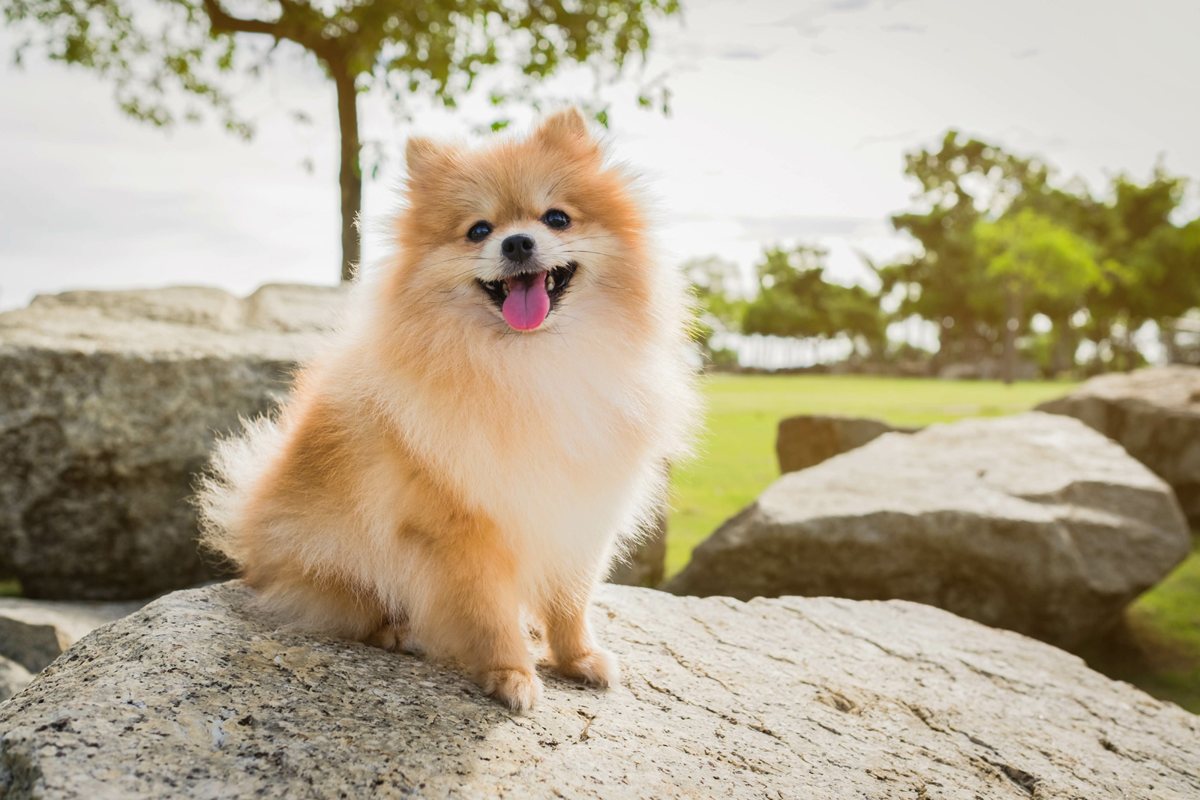
How Do You Potty Train a Puppy?
A simple potty training schedule for puppies: timing, rewards and what to do after accidents. Tips from the Sunshine Puppies team in Tampa Bay.
Read the guide →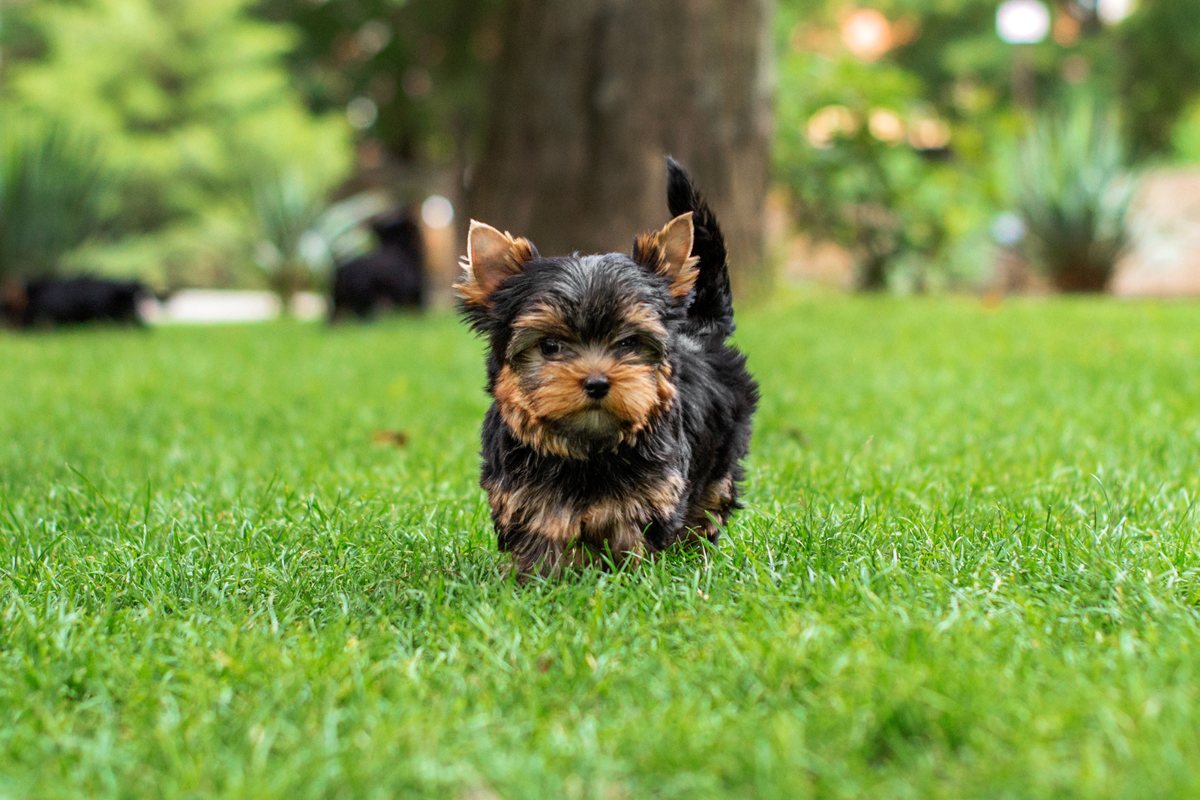
How Can You Tell a Responsible Breeder From a Puppy Mill?
How to tell a responsible breeder from a puppy mill: records, health testing, housing and socialization. See how Sunshine Puppies chooses its breeders.
Read the guide →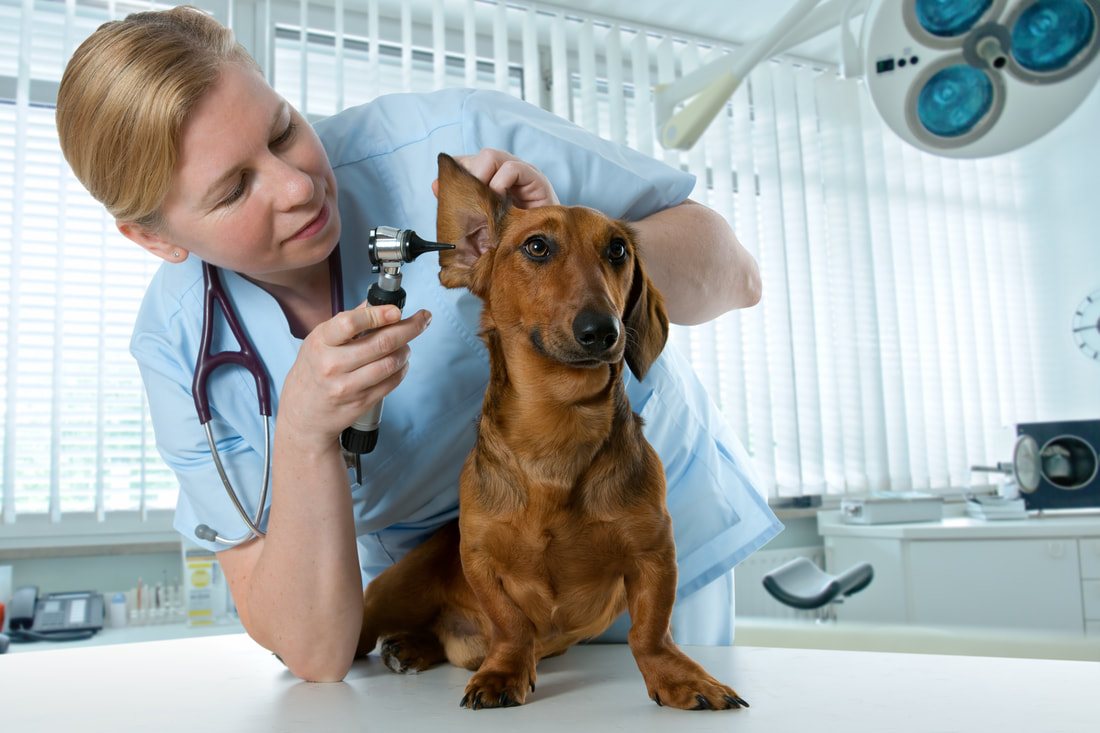
What Vaccinations Does a Puppy Need?
Puppy vaccination basics for new owners: what shots are common, why timing matters and how to work with your vet. Visit Sunshine Puppies in Tampa Bay.
Read the guide →