
What Vaccinations Does a Puppy Need?
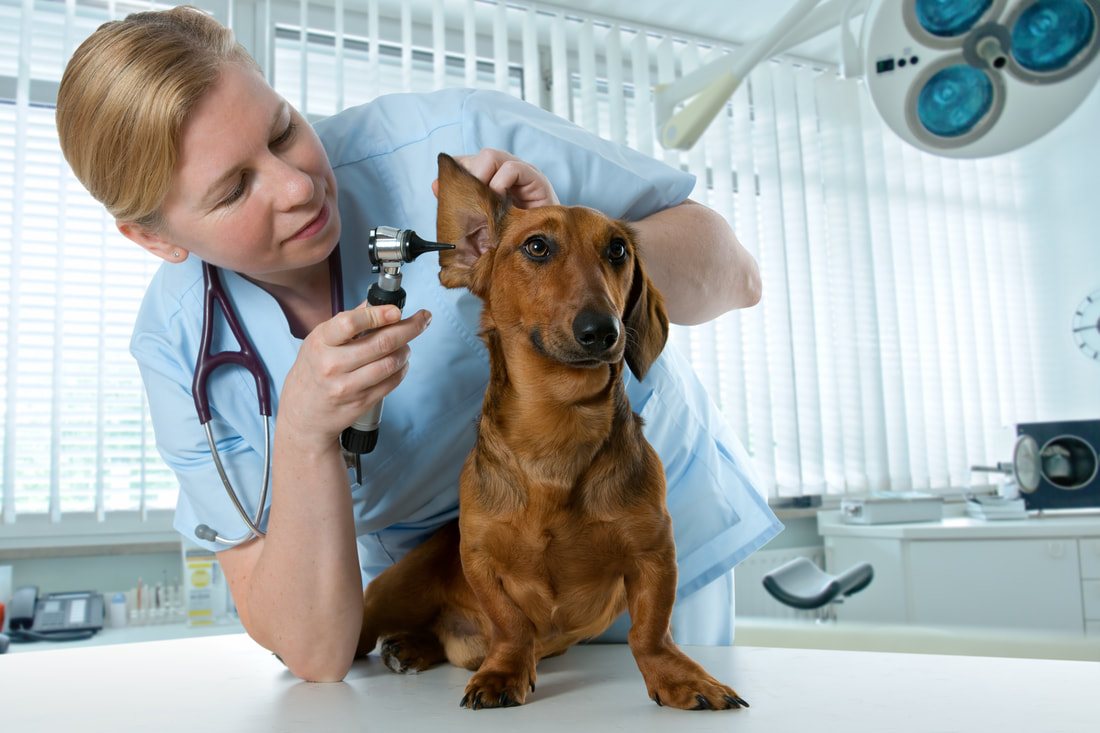
Vaccinations are a cornerstone of puppy health, and they are also one of the topics that confuse new owners most. This guide gives a general overview of how puppy vaccination usually works. It is not medical advice, and your own veterinarian should always decide which vaccines your puppy needs and when. Our job at Sunshine Puppies is to help you start well and bring good questions to your vet.
Why puppies need vaccines
Newborn puppies get some protection from their mother's milk, but that protection fades over the first weeks. Vaccines help the body learn to fight certain serious diseases before a puppy meets them. Because a puppy's immune system is still developing, vaccines are usually given as a series spaced a few weeks apart rather than as a single dose.
Common vaccines you may hear about
Veterinarians commonly discuss two groups of vaccines.
Core vaccines are recommended for most dogs. They typically protect against diseases such as parvovirus, distemper, adenovirus (which causes hepatitis) and rabies. Parvovirus and distemper can be very serious for young puppies, which is why the early series matters.
Lifestyle vaccines depend on where you live and what your dog does. Examples that vets sometimes recommend include vaccines for Bordetella (kennel cough), leptospirosis and Lyme disease. Your vet will consider Florida's climate and your plans for boarding, grooming, dog parks or travel.
A typical timeline
Schedules vary by veterinarian and by the puppy's history, so treat this as a general picture:
- Early weeks: puppies often receive their first vaccines and de-worming at the breeder or store, depending on age.
- Every few weeks: boosters follow in a series, commonly until around 16 weeks of age.
- Rabies: usually given at a set age according to local rules, then boosted on a schedule your vet will explain.
- Adulthood: booster shots continue at intervals your vet recommends.
The exact timing matters, so bring all paperwork about vaccines and de-worming to your first appointment. Proper record keeping of veterinarian visits, protocols, health checks, vaccinations and de-worming is critical to a healthy start, and we expect it from our breeders.
Our veterinary care
Our stores benefit from a fully dedicated veterinarian whose entire practice is our puppies. When you choose a puppy, ask what vaccines and de-worming the puppy has received and when the next ones are due. Write the dates down or take photos of the records. If something is unclear, ask the store team to explain it.
When can my puppy go out?
This is a common question, because puppies need social experiences but are also vulnerable until their vaccine series is well along. Your vet will tell you what is safe for your puppy. In general:
- Avoid high-traffic dog areas such as public dog parks until your vet gives the go-ahead.
- Choose safe social settings, like a friend's home with a healthy, vaccinated dog, or a well-run puppy class that requires vaccines.
- Carry your puppy in busy public places so they can see and hear the world without touching the ground.
- Wash up if you have touched other dogs before handling your puppy.
Early socialization is important, so do not skip it. Just do it carefully, with your vet's guidance.
Parasite prevention goes along with vaccines
Vaccines do not protect against fleas, ticks, intestinal worms or heartworm. Florida's warm climate means parasites are active for much of the year, so ask your vet about a preventative plan that fits your puppy's age and weight. Do not give a medicine meant for another animal or an adult dog without your vet's approval.
Signs to call the vet
Contact your veterinarian promptly if your puppy shows any of the following:
- Vomiting or diarrhea that does not stop
- Refusing food or water
- Unusual tiredness or weakness
- Coughing, sneezing or discharge from the eyes or nose
- Swelling, hives or trouble breathing after a vaccine, which is an emergency
When in doubt, call. Vets would rather hear from you early than late.
Questions to bring to the first vet visit
- What vaccine schedule do you recommend for my puppy?
- Which lifestyle vaccines make sense in Florida?
- When should I start heartworm and flea prevention?
- When can my puppy start puppy classes and go to public places?
- When should we spay or neuter, if we choose to?
Starting off right
A healthy start is built on good breeding, good records and a good relationship with your own vet. If you are looking for a puppy, browse today's available puppies at our Largo, Clearwater and Bradenton stores. Our FAQ also covers many more questions about puppy care, and you are welcome to contact us whenever you need help.
Keep good records
Create a folder, paper or digital, for your puppy's health records. Include vaccine dates, de-worming dates, vet visit notes, weights and any medicines. Take photos of every certificate and store them on your phone. These records help your vet, your groomer, your boarding facility and any future trainer or daycare, and they make it much easier to know when the next booster is due. Set reminders on your calendar so you never miss an appointment.
Meet your furever friend
See the puppies available today at Largo, Clearwater and Bradenton.
More puppy guides

How Do You Crate Train a Puppy?
Step-by-step crate training for puppies: sizing, schedule and common mistakes. Get help from the Sunshine Puppies team in Largo, Clearwater or Bradenton.
Read the guide →
What Are the Best Dog Breeds for Families With Kids?
Which dog breeds are best for families with kids? Tips on temperament, size and training. Meet puppies at Sunshine Puppies in Tampa Bay.
Read the guide →
What Should You Expect on Your First Visit to Sunshine Puppies?
What happens when you visit Sunshine Puppies? Hours, what to bring, questions to ask and how to take your puppy home. Find your closest store today.
Read the guide →