
How Often and How Much Should You Feed a Puppy?
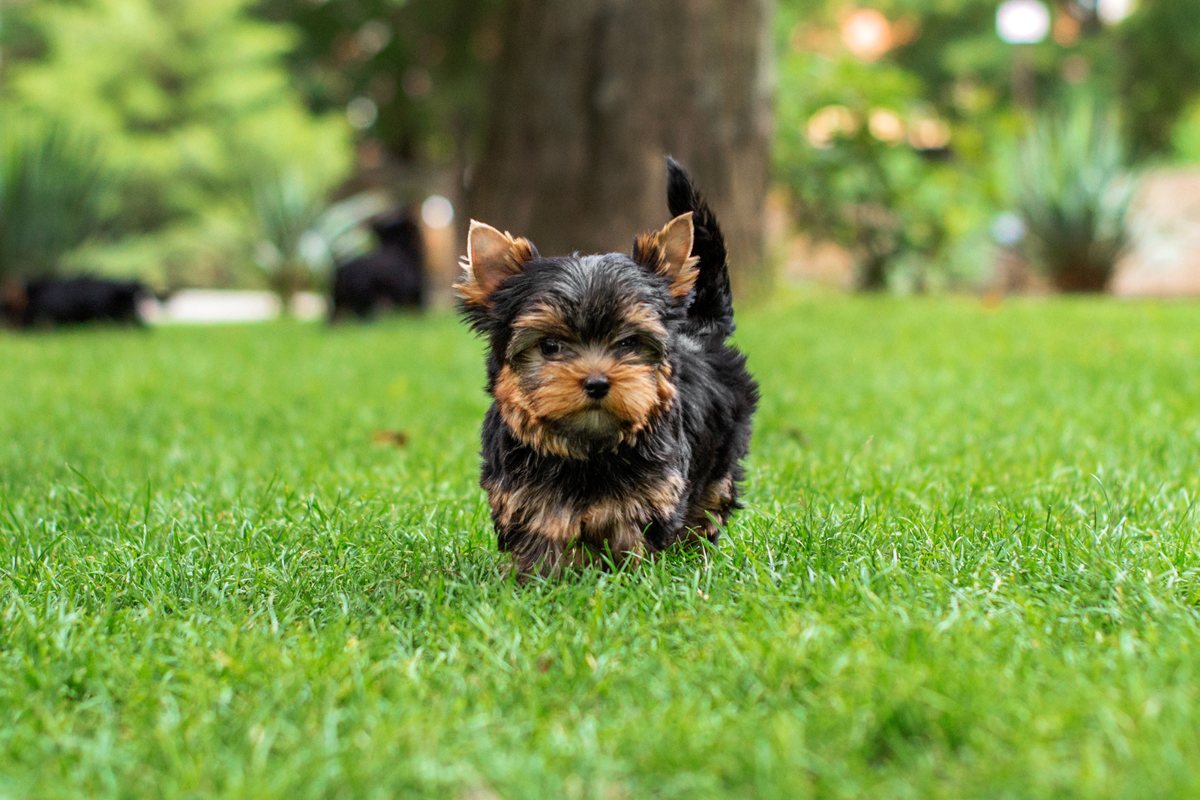
Feeding a puppy looks simple, but new owners often have lots of questions. How many meals a day? How much is enough? When do you switch to adult food? There is no single answer for every puppy, and your veterinarian is the best person to set a plan. Here are the basics we cover with families at Sunshine Puppies.
Start with what your puppy has been eating
When you bring a puppy home, ask the store team what food they have been eating and how often. Keep it the same for the first days. A new home is already a big change, and a sudden food switch can cause an upset stomach. If you plan to change foods later, do it gradually.
Choose a food made for puppies
Puppies grow quickly and need nutrition designed for growth. Look for a complete and balanced food labeled for puppies, and for large breeds consider one made for large-breed puppies, which is formulated to support slower, steadier growth. Small and toy breeds often do best with a small-kibble formula. Ask your veterinarian to recommend a food for your puppy's breed, age and health. Labels list feeding guidelines by weight, which is a good starting point.
How often to feed
Young puppies have small stomachs and need several small meals. A general pattern many vets describe is:
- Younger puppies: three or four small meals a day
- Older puppies: two to three meals a day
- Adult dogs: one or two meals a day
Very small and toy breeds can be prone to low blood sugar when they go too long without eating, so ask your vet how often your tiny puppy should eat. Regular mealtimes also make potty training easier, since you can predict when your puppy will need to go out. See our potty training guide.
How much to feed
Start with the amount on the food label for your puppy's weight and age, and then adjust with your vet's guidance. Measure the food with a measuring cup instead of guessing. Your puppy's body is the best guide:
- You should be able to feel the ribs under a thin layer of fat
- There should be a visible waist when you look from above
- Your puppy should be energetic and growing steadily
Too much food can lead to unhealthy weight gain, which is especially hard on joints in growing puppies. Too little can slow growth. Weigh your puppy regularly at the vet and adjust as they grow.
Treats and training rewards
Treats are helpful for training, but they add calories. Use small, soft pieces and count them as part of the daily food. Many families use a portion of the regular kibble as training rewards. Avoid giving table scraps, which can upset the stomach and encourage begging.
Foods to avoid
Some human foods are dangerous to dogs. The list below is not complete, so check with your vet if you are unsure:
- Chocolate
- Grapes and raisins
- Onions and garlic
- Xylitol, a sweetener found in some gum, candy and peanut butter
- Alcohol
- Cooked bones, which can splinter
- Macadamia nuts
If your puppy eats something dangerous, call your vet or an emergency animal hospital right away.
Fresh water, always
Keep clean water available. Wash the bowl daily, and in Florida's heat check it more often. Your vet may suggest picking up the bowl at night for a few weeks during potty training.
Make mealtime calm
Feed your puppy in the same quiet spot. Pick up the bowl after about fifteen to twenty minutes, so you can see how much they are eating. If your puppy skips a meal and seems sick, or has vomiting or diarrhea, call your vet. Do not leave food out all day for a young puppy, since a schedule helps you notice changes.
Switching foods
When it is time to change foods, such as moving from puppy to adult food, do it slowly over about a week or longer. Mix a little of the new food into the old and gradually increase the amount. Ask your vet when your breed should make the switch, since small breeds mature earlier than giant breeds.
Special cases
Puppies with sensitive stomachs, allergies or health conditions may need special diets. Your vet can help. Do not make big changes on your own, and never start a homemade or raw diet without professional guidance, since balance is hard to get right.
Watch the weight as they grow
Check your puppy's body shape every few weeks. If your puppy gains weight quickly or looks too thin, talk to your vet. Healthy growth is steady, not rushed.
Questions about your puppy's food?
When you visit our stores in Largo, Clearwater or Bradenton, ask what your puppy has been eating and how much. You can also contact us anytime, and our FAQ answers many care questions. Looking for a new family member? See today's available puppies.
Meet your furever friend
See the puppies available today at Largo, Clearwater and Bradenton.
More puppy guides
What Should You Do During Your Puppy's First Week at Home?
A day-by-day checklist for your puppy's first week at home: food, sleep, vet visit and routine. Get help from Sunshine Puppies in Tampa Bay.
Read the guide →
How Do You Potty Train a Puppy?
A simple potty training schedule for puppies: timing, rewards and what to do after accidents. Tips from the Sunshine Puppies team in Tampa Bay.
Read the guide →How Can You Tell a Responsible Breeder From a Puppy Mill?
How to tell a responsible breeder from a puppy mill: records, health testing, housing and socialization. See how Sunshine Puppies chooses its breeders.
Read the guide →